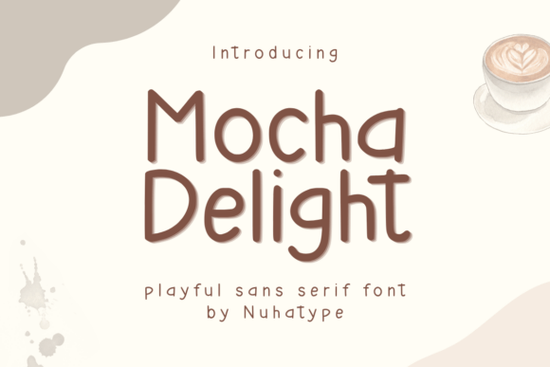
Finding the right font for delicate craft projects can be tricky. You need something that feels personal and handcrafted but doesn’t lose its shape when cut or printed small. Mocha Delight Font fills that gap beautifully. In the world of thin sans serifs, Mocha Delight stands out for its handwritten elegance. Its slim, minimalist letterforms mimic the easy flow of natural handwriting without any of the messiness. Designers, Cricut enthusiasts, and small business owners use it to add a subtle touch of warmth to planners, stickers, labels, and book interiors.
What makes Mocha Delight a favorite among planner and sticker designers?
The thin, even strokes of this typeface work especially well on ruled or dotted paper. Because the font stays legible at small sizes, it thrives inside compact weekly spreads, habit trackers, and journaling prompts. Unlike heavier serifs, it never overpowers your layout. You can use it for inspirational quote cards, mood board captions, or even temperature blanket trackers. Its soft, slightly tapered terminals give words a cozy coffee-shop feel, perfect for the slow living and mindful journaling niches.
When you pair it with muted color palettes or kraft paper textures, the result feels intentional and high-end. Many print-on-demand sellers rely on Mocha Delight for tote bag designs, mug wraps, and tumbler decals. A short quote printed in this font, centered on a soft blush background, often sells well in Etsy shops and craft markets. The thin lines may look delicate on a screen, but once you adjust your cut settings and choose the right vinyl, it transfers cleanly onto curved surfaces like mugs or water bottles.
How does Mocha Delight compare to other thin sans serif fonts?
If you’re already browsing Creative Fabrica, you’ve probably seen similar fonts in the same category. For a slightly rounder, friendlier vibe, Creamy Delight offers a soft, approachable look. While this soft typeface shares the same lightweight skeleton, Mocha Delight holds a crisper edge that suits modern minimalist branding. Where Creamy Delight feels playful, Mocha Delight feels poised.
When you need contrast maybe for a title on a journal cover a sturdy sans serif like Texas Bold can anchor the design. This bold option creates a strong visual hierarchy when you use Mocha Delight for the subtitle. That combo works especially well for wedding signage, menu boards, or brave color-blocked planner covers.
If your taste leans more geometric and structured, Nextera provides clean, even letterforms with a distinct modern pulse. Check its sharp geometric style when you’re planning a brand kit that needs a touch of order. Yet neither Texas Bold nor Nextera can match the handwriting-inspired personality that makes Mocha Delight so versatile for personal crafts.
Which materials and cutting methods work best with a thin font like this?
Because Mocha Delight has slender lines, your material choice matters. For Cricut and Silhouette projects, avoid overly thick or textured vinyl that can bunch up around intricate curves. Smooth permanent adhesive vinyl or heat transfer vinyl (HTV) with a nice carrier sheet usually performs well. Adjust your blade depth and speed to avoid snagging on tiny loops or thin connectors. Always do a test cut on scrap material first.
If you’re printing on cardstock for stickers or journal cards, choose matte or lightly textured paper. A slight tooth in the paper can add to the handwritten illusion without smudging toner or ink. For sublimation blanks, make sure your template accounts for the thin strokes press with even pressure so the transfer stays crisp. Many users report excellent results on ceramic mugs and polyester tote bags when they mirror the design and use high-quality sublimation paper.
Is Mocha Delight readable enough for body text?
The short answer is yes, but with one condition: use it for short paragraphs and lists, not block-heavy reads. At 9–12 pt, it holds up in three- to five-line chunks like recipe cards, affirmations, or event details. The open apertures and slight spacing help maintain readability, even when printed at small sizes. However, if you need to typeset an entire KDP interior, you might reserve this font for chapter titles, pull quotes, or section breaks, choosing a slightly thicker body font for the main text.
When you grab Mocha Delight from Creative Fabrica, you also get access to multi-language support and standard glyphs that cover most European characters. That makes it practical for bilingual planners or international sticker sheets. The font comes in a clean OTF file, which installs quickly on both Windows and Mac systems and works inside any major design software.
What should you check before using Mocha Delight on a commercial project?
If you run a small shop or sell physical products, always confirm the license type included with your download. Most Creative Fabrica products come with a standard commercial license for digital and physical end products, but it’s wise to double-check the specific terms if you plan to use the font on thousands of units or within a logotype. Keep a copy of your license certificate stored offline and note the font name and source in your project files that small habit saves time during any future audit.
Additionally, test how the font renders on different screens and printing methods. A thin font can sometimes drop fine details when converted to a low-resolution print file. Preview your design at 100% scale in your cutting software and look for any hairline breaks. If you see weak spots, subtly thickening the stroke with a tiny offset or choosing a slightly bolder variation of the design will prevent weeding nightmares.
Next steps: a quick checklist for your next craft project
- Choose a smooth, lightweight material for vinyl cuts avoid heavy glitter or flocked surfaces.
- Test the font at the smallest size you intend to use before committing to a large batch print.
- Pair Mocha Delight with a solid sans serif like Texas Bold for headings to give your layout structure.
- Keep body text blocks short; this font shines in small doses.
- Save your license documentation and note the font name in your design file metadata.
- Run a quick print-and-cut sample on the same blank type you’ll sell to catch any transfer issues early.
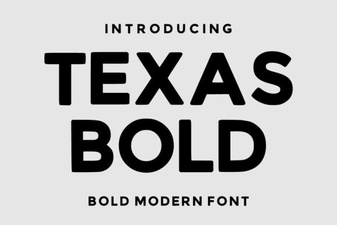 Texas Bold Font: Creative Uses and Design Inspiration
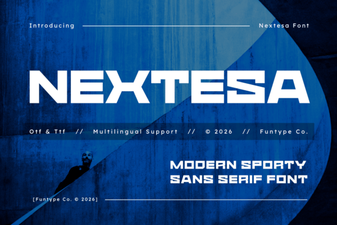 Enhance Your Designs with the Versatile Nextera Font
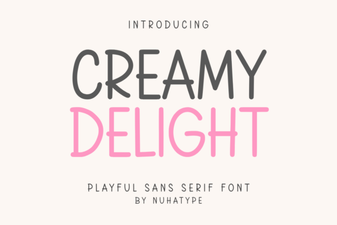 Creamy Delight Font: Sweet Typography for Design Projects
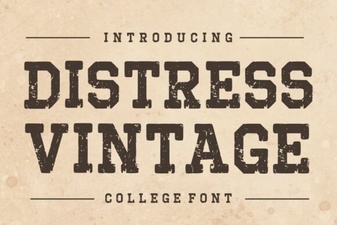 Distress Vintage Font: Creative Projects & Design Inspiration
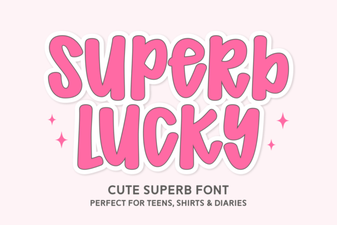 Superb Lucky Font: Fresh Design Inspirations & Ideas
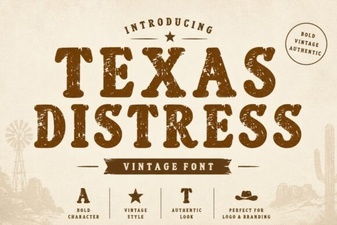 Texas Distress Font: Creative Vintage Design Ideas