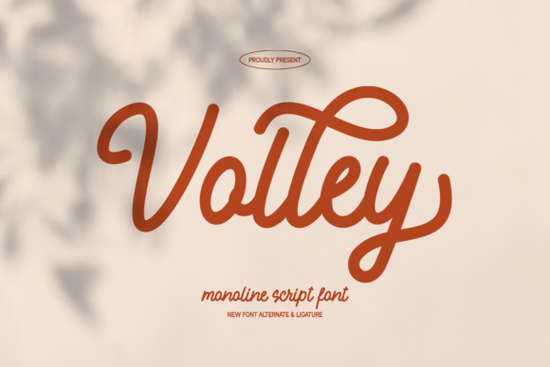
If you design for gyms, race teams, or streetwear labels, you know the frustration of hunting for a typeface that actually moves. Most bold fonts feel stiff, like a generic, condensed sans-serif with a loud voice. Volley Font is the exact opposite an energetic display typeface built around a fast, hand-painted look that refuses to sit still. The brush strokes are angled for speed, the letterforms cross each other with a slightly jostled rhythm, and the overall impression is high-velocity, human, and impossible to ignore.
Whether you’re mocking up a motocross jersey, designing a protein bar wrapper, or creating a YouTube thumbnail for a downhill skateboarding channel, this font feels like it was written with adrenaline. And because it’s a fully vector, multi-language typeface from Creative Fabrica, you get the sharpness of clean outline curves without losing the raw, textured motion.
Who should use Volley Font in their next project?
This isn’t a laid-back script you’d use for a wedding invitation. Volley thrives in active lifestyle branding, extreme sports apparel, competitive fitness events, and casual snack packaging that wants to scream “grab me now.” Think energy drink labels, mud run logos, boxing gym posters, or even streetwear tees where a distressed, fast-brush effect sells the attitude.
Print-on-demand sellers can get immediate value here. A single bold word like “HUSTLE” or “BEASTMODE” set in Volley on a front chest print already tells the buyer how it feels. Crafters using heat transfer vinyl for custom gym bags or water bottles will love how the font’s wide, sweeping strokes cut cleanly and press without losing the hand-painted detail.
How does a hand-painted sports font differ from a basic bold sans-serif?
A standard bold font just increases the stroke weight. Volley’s personality comes from irregular brush contact, overlapping strokes, and directional pull. Look closely at the lowercase “a” or “y” the tails snap upward with a slight taper, mimicking a paint marker dragged quickly across a surface. The uppercase letters lean into each other, giving a word like “RACING” a sense of forward momentum.
For small businesses building a brand identity, this difference matters. A generic heavy font might read as “corporate gym,” while Volley says “hands-on, gritty, and ready to move.” That emotional layer helps a logo or headline connect faster, especially in competitive niches where every Instagram post is a fight for attention.
Where can you apply a high-velocity brush font without it feeling out of place?
Here are concrete use cases where Volley integrates naturally, not as a forced stylistic choice:
- Extreme sports team logos: BMX, skate, snowboard, or esports squads that want motion built into their wordmark.
- Fitness motivation banners and posters: Large-format quotes for CrossFit boxes, Spin studios, or personal training offices.
- Racing graphics and number decals: Karting, rallycross, or off-road truck livery where sponsors and numbers need quick readability at speed.
- Snack and beverage packaging: Think protein cookies, hot sauce labels, craft energy drinks the “fast food but make it artisanal” niche.
- Social media headers and thumbnail text: High-contrast thumbnails for action sports vlogs or TikTok compilations where titles need to feel just as dynamic as the clip itself.
What kind of font pairings keep Volley readable without killing the energy?
Pairing a wild display face requires contrast, not competition. For body copy that anchors a poster or a website banner, use a clean, slightly condensed sans-serif like Montserrat or Bebas Neue keep the stroke uniform so the eye can rest. If you want to introduce a second decorative voice for a tagline, consider a confident script that shares the fast, brush-driven motion.
For example, if you need a more elegant, looping script for a secondary tagline underneath a bold Volley headline, a face like Simple Signature can balance it with a fluid, handwritten flow that still feels personal. A smoother, less frantic brush script such as Buttercake works brilliantly in food or drink packaging where the main logo is aggressive but the flavor name needs a softer touch. Designers building playful school event materials or teacher-themed worksheets sometimes grab a bouncy, friendly script like Happy Teacher to pair with a title font that has more movement Volley gives the top-level word the punch while the script carries the supportive message.
When subtlety is key and you want just a whisper of a handwritten finish, pairing with a delicate, airy script like Little Starli creates an interesting high-low contrast loud sports branding meets a gentle, starry underline. And if the project calls for a warm, organic script that feels approachable rather than aggressive, Valeysoul softens the tone perfectly for boutique fitness studios or wellness tea blends.
Is Volley Font suitable for small business branding or does it feel too niche?
It’s niche in the best way specific enough to be memorable, but versatile enough to stretch. A local coffee roaster with an active adventure theme could use Volley for its limited-edition “summit blend” label. A mobile dog-washing van could run the word “GO” in Volley across the service door. The key is that the font injects authentic, human motion into the brand, so it works anywhere the promise is speed, effort, or raw energy.
Just be careful with small text. Volley is built for display sizes, ideally 36pt and up. Trying to squeeze it into a 12pt ingredient list will destroy the brush texture. For anything under 24pt, you’ll want to switch to a simple sans-serif. This isn’t a flaw it’s standard behavior for hand-painted display faces.
A quick-tech note for print-on-demand sellers and SVG crafters
When you download Volley Font from Creative Fabrica, you’ll get standard OTF/TTF files that install smoothly on both Windows and Mac. For crafters using Cricut or Silhouette machines, the clean brush strokes trace beautifully without excessive nodes, which means less cleanup and faster cuts. If you plan to use it for DTF transfers or sublimation, run a test strip first at full size to check that the overlapping strokes don’t clog fine details but the font is well-spaced and should transfer cleanly.
Does Volley work for non-English languages?
The character set covers basic Latin, extended Latin for many European languages, and some punctuation. It’s not a full pan-European script, but it handles diacritics like ä, é, ñ smoothly. If your packaging needs to support Greek or Cyrillic text, you’ll need an alternative font for those alphabets, but for English, Spanish, French, German, and Scandinavian languages, Volley holds up solidly.
Designers who frequently work with multi-language sports event branding often keep Volley for the primary English headline and use a compatible geometric sans for the translated subtitles that way the motion stays visually dominant without compromising legibility in other scripts.
Next steps: a practical pairing checklist before you commit
Before you add Volley to your font folder, run through this quick list to make sure it fits your current project:
- Crowd check: Show the main headline set in Volley to three people outside your design bubble. Ask them to say the first word that comes to mind. If you hear “fast,” “rough,” “sporty,” or “energetic,” you’re on target.
- Scale test: Print or preview the word at its smallest intended size. If the brush overlap starts to muddy, go bolder or enlarge.
- Script partner: Identify the supporting font early. A quick side-by-side mockup with a clean sans and one of the scripts mentioned above saves you time tweaking later.
- Exaggerate the sizing: Volley was made to take up space. Let it run wide across the layout shrinking it kills the velocity.
Once you’ve validated those points, you’re ready to bring a hand-painted, high-velocity edge to your next design. Grab Volley Font and start pushing type across the page the way it was meant to be seen fast, messy, and full of impact.
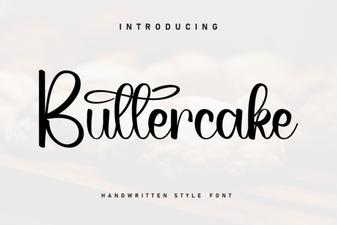 Buttercake Font: Fun Typography for Design Projects
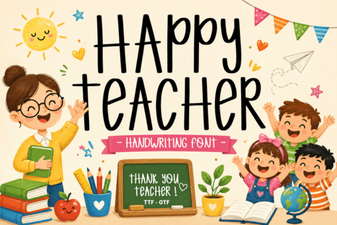 Happy Teacher Font: Playful Typography for Classroom Projects
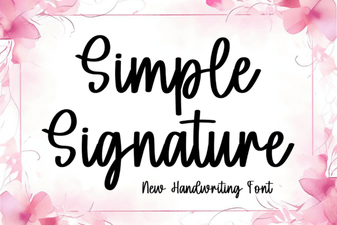 Simple Signature Fonts for Elegant Branding & Design Projects
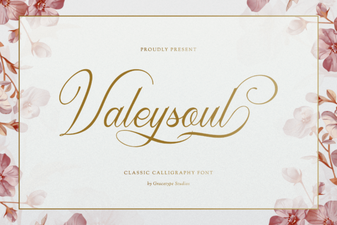 Valeysoul Font for Modern Web and Print Design
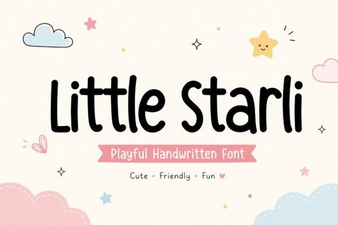 Little Starli Font: Features and Description
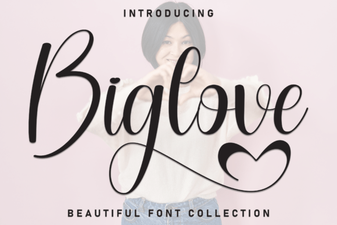 Biglove Font: Playful Brush Script for Creative Projects