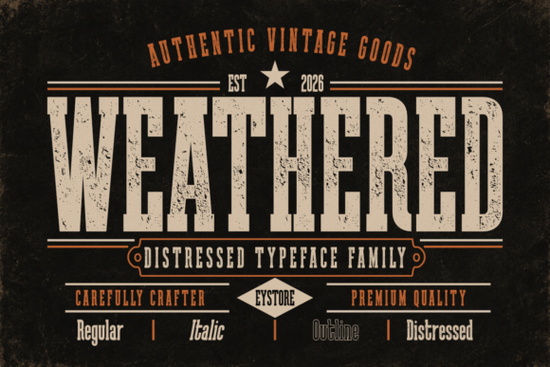
If you need a typeface that looks like it came straight off a faded denim patch or a weathered wooden crate, the Weathred Font family is worth a close look. This vintage display font captures the rough texture and sturdy letterforms found on old workwear labels, western signage, and classic industrial printing. The Weathered family includes four distinct styles, so you get plenty of variety for logos, apparel, packaging, and other heritage-inspired projects.
What makes the Weathered typeface stand out?
Its character comes from an unpolished, printed-by-hand feel. The bold condensed skeleton gives your text strong presence, while the gritty edges and uneven ink spread mimic the look of letterpress or stamping on rough paper. Unlike clean retro fonts that only hint at age, this one carries genuine texture. The result is a font that feels authentic rather than artificially aged exactly what you need when you’re aiming for a rugged workwear aesthetic or a timeworn western vibe.
Designers often have to add textures and masks to simulate this effect. With Weathered, the built-in distress does the heavy lifting, saving you time on t-shirt designs, tote bags, or coffee shop menus. It also reads well at larger sizes, making it a reliable choice for headlines, signage, and wall art.
Which four styles are included in this vintage display font?
The Weathred Font family gives you these variations:
- Regular – A solid, distressed letterform with heavy ink coverage and natural wear.
- Italic – A slanted version that keeps the same rough texture, ideal for emphasis or dynamic layouts.
- Outline – A hollow stroke style that retains the weathered edge, perfect for badges or layered designs.
- Distressed – The most textured variant, with extra grit and gaps for an even more battered look.
Having all four in one family lets you create layered typography without switching to a completely different font. For instance, you can set a headline in Distressed, a subheadline in Regular, and accent words in Italic all while maintaining a cohesive vintage mood.
How do I use Weathered for apparel and merchandise designs?
This font fits naturally into print-on-demand and small-batch merchandise. On a t-shirt or hoodie, the distressed texture blends with the fabric’s surface, so the design looks like an old favorite from day one. Because the font already has an aged appearance, you don’t need to apply extra filters or overlays inside your graphics software. Just set your text, choose a warm ink color, and you’ll get a screen-printed or stamp-pressed effect instantly.
If you’re creating patches, woven labels, or hat embroidery mockups, the Outline style works well as a bold badge shape. For trucker caps and denim jackets, the Distressed variant feels right at home with heritage branding. A funky retro font like Friday Funky can add a playful 70s twist for contrast, but Weathered holds its own as the main display typeface.
Where does this font work best – branding, packaging, or wall art?
It shines in any project that calls for a handcrafted, industrial, or rural aesthetic. Small businesses selling hand-poured candles, leather goods, or artisan coffee often choose this style for labels and stickers. The bold condensed forms are easy to read on jars and bags, while the distressed detail hints at craftsmanship and tradition.
For brick-and-mortar signage, the font’s thick strokes and rough edges make it visible from a distance. Barbershops, barbecue joints, vintage clothing stores, and farm stands can all benefit from that honest, no-frills character. When you need something more romantic and twinkly for a special event, a whimsical starry font can pair beautifully with the Outline version for a rustic-chic invitation suite.
Wall art is another natural home. Print a short phrase or single word in the Regular or Distressed style on canvas or reclaimed wood, and you’ll instantly create a piece that looks like salvaged factory typography.
Is the distressed texture editable or permanent?
Yes, the texture is part of the glyph design itself, so it will appear in any vector or raster program that supports OpenType fonts. You don’t need a separate texture layer or pro software. That said, if you want to tweak the level of wear, you can always add a subtle noise overlay or adjust opacity to soften the effect. But in most cases, the built-in grit is ready to use right away.
Because the font is highly legible even with its rough edges, it works in both print and digital spaces. On screens, the texture remains sharp at larger sizes, though you might prefer the cleaner Regular style for small subtext.
What fonts pair well with Weathered for a vintage design?
Pairing a distressed display font requires balance. You can contrast it with a clean sans-serif for product descriptions, or go all-in on the rustic theme with supporting script or serif fonts. This Texas-inspired distress font shares the same worn-in personality, so you can use it for secondary headlines to create a unified western look. If your layout needs a compact, towering headline, a stacked display font like Humble Stacked emphasizes verticality and pairs nicely with Weathered’s bold condensed structure.
For educational or playful projects, you might want a completely different direction. When the audience is children or teachers, a school display font like this one adds a friendly, chalkboard feel that contrasts the rugged tone. That way, you keep the design warm without losing the vintage intent.
Quick checklist before using a distressed font like Weathered
- Test the font at the actual print size on a mockup texture can look different at small scales.
- Choose the right style for the job: Outline works great on dark backgrounds, while Distressed adds maximum character to single words.
- Stick to a limited color palette (cream, ink black, muted reds, or denim blues) to let the texture shine.
- Keep supporting text simple; let Weathered do the heavy lifting for impact.
- If you need multiple distressed looks in one project, mix the Regular, Italic, and Outline versions instead of forcing one style into every line.
Take the Regular and Distressed styles for a test run on your next apparel design or logo concept, and see how quickly that authentic, timeworn feel comes through without extra effort.
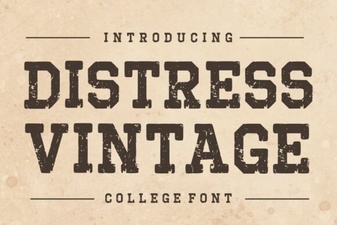 Distress Vintage Font: Creative Projects & Design Inspiration
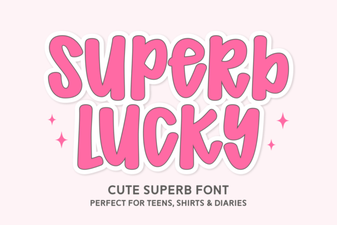 Superb Lucky Font: Fresh Design Inspirations & Ideas
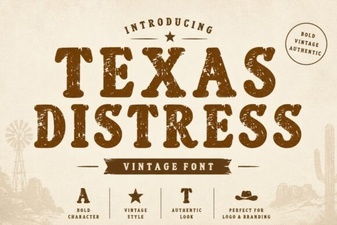 Texas Distress Font: Creative Vintage Design Ideas
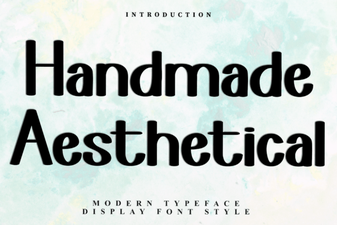 Unique Handmade Aesthetical Fonts for Creative Projects
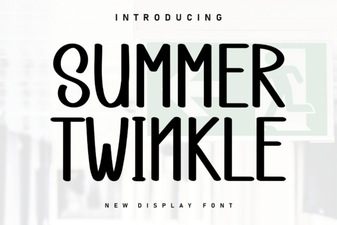 Summer Twinkle Font: Add Sparkle to Your Summer Designs
 Fun Learning Designs Using Abcd School Font