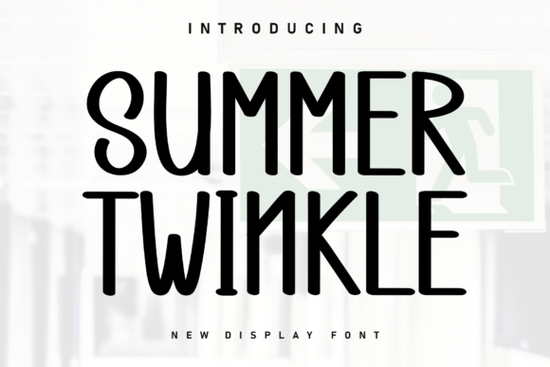
When a project needs a touch of handwritten warmth, Summer Twinkle Font delivers a sweet, down‑to‑earth feel that’s hard to replicate with standard script fonts. This casual display typeface features characters that seem to dance lightly along the baseline, giving every word a gentle, bouncy personality. Whether you’re designing wedding stationery, a café logo, or a heartfelt social media quote, that playful rhythm adds a cozy accent without feeling childish or messy.
What makes the dancing baseline so appealing?
The uneven baseline is what sets this handwritten style apart. Each letter sits at a slightly different height and angle, mimicking the natural movement of real hand lettering. Instead of a stiff mechanical line, you get a soft, organic flow that feels personal and approachable. This works especially well for designs that need to communicate warmth – think baby shower invites, thank-you cards, or packaging for artisanal goods. The bounce is consistent enough to stay legible, yet varied enough to keep every word interesting.
Where does Summer Twinkle Font work best?
This is a display font through and through, so it thrives in short, impactful text. Here are a few places it really shines:
- Wedding menus, place cards, and invitation suites
- Logo badges for bakeries, boutiques, or handmade shops
- Social media graphics and quote posts for a friendly vibe
- Print‑on‑demand items like mugs, tote bags, and cushion covers
- Scrapbook titles and journaling headlines
- Product labels that need a personal, handmade touch
If you lean toward a cozy handwritten aesthetic, this font fits right in. Its casual nature pairs beautifully with plain sans‑serif body text, which lets the headline keep all the attention while keeping the overall design clean.
Is it easy to read in long paragraphs?
Because of the dancing baseline and slightly irregular letter shapes, Summer Twinkle Font isn’t meant for body copy. In longer blocks of text the bounce can tire the eyes and reduce readability. Stick to headlines, sub‑headings, short quotes, and product names. If you need a similar hand‑drawn feel for longer passages, consider pairing this display font with a simple, highly legible secondary typeface for the descriptions or body text.
How can crafters and small‑business owners make the most of it?
For anyone selling physical or digital products, a font like this adds a recognizable, friendly personality. Print‑on‑demand sellers often use it on apparel and home decor because the soft handwritten lines print clearly on both light and dark fabrics. Small‑business owners can build a cohesive brand by using the font on logos, price tags, and social media templates – customers start to associate that warm, personal style with your shop.
If your project calls for a more textured, aged look, a distressed typeface might complement the sweet lettering on a vintage‑themed design. Meanwhile, weathered lettering styles work well when you need a rustic outdoor feel, like farmhouse signs or camping gear.
What kind of glyph extras come with the font?
Many Creative Fabrica handwritten fonts include alternates, ligatures, and swashes that let you customize the look. A quick check of the font’s product page will show you the full character map. Look for a few decorative swashes or alternate letter shapes that can add even more personality to the first or last letter of a word. Using a desktop program with OpenType support (like Adobe Illustrator, Affinity Designer, or even Word) lets you access those extras easily.
What if you need a bolder or stacked look instead?
Sometimes a project needs a different kind of display impact. If you’re working on a poster or a logo that calls for height and stability, a tall stacked display style can give your text a confident, upright presence while keeping that handcrafted feel. Mixing a few display styles across a brand kit gives you flexibility without losing the personal touch.
Quick checklist before you start designing
- Test the baseline bounce at your final size. At very small sizes the dancing effect can look messy – zoom in and check legibility.
- Pair with a simple sans‑serif. A clean companion font keeps the overall design balanced and scannable.
- Check the license for your use case. Make sure the font is cleared for print‑on‑demand, logo usage, or digital products as needed.
- Explore the alternates. A single swash or ligature can completely change the energy of a headline.
- Stick to short phrases. Use the font where its playful rhythm can shine, not in long paragraphs.
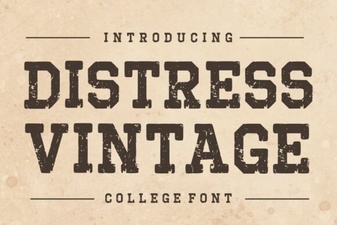 Distress Vintage Font: Creative Projects & Design Inspiration
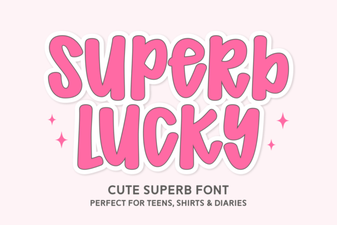 Superb Lucky Font: Fresh Design Inspirations & Ideas
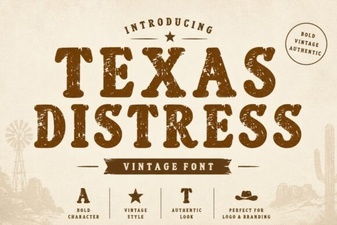 Texas Distress Font: Creative Vintage Design Ideas
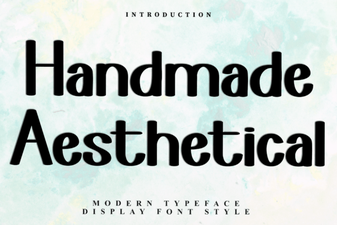 Unique Handmade Aesthetical Fonts for Creative Projects
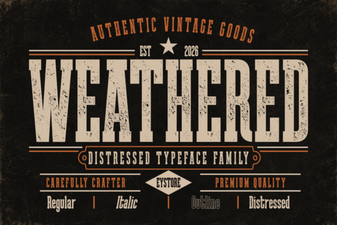 Weathered Font Guide: Vintage Typeface Designs & Uses
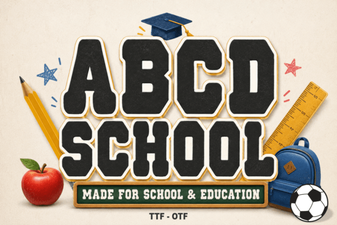 Fun Learning Designs Using Abcd School Font